
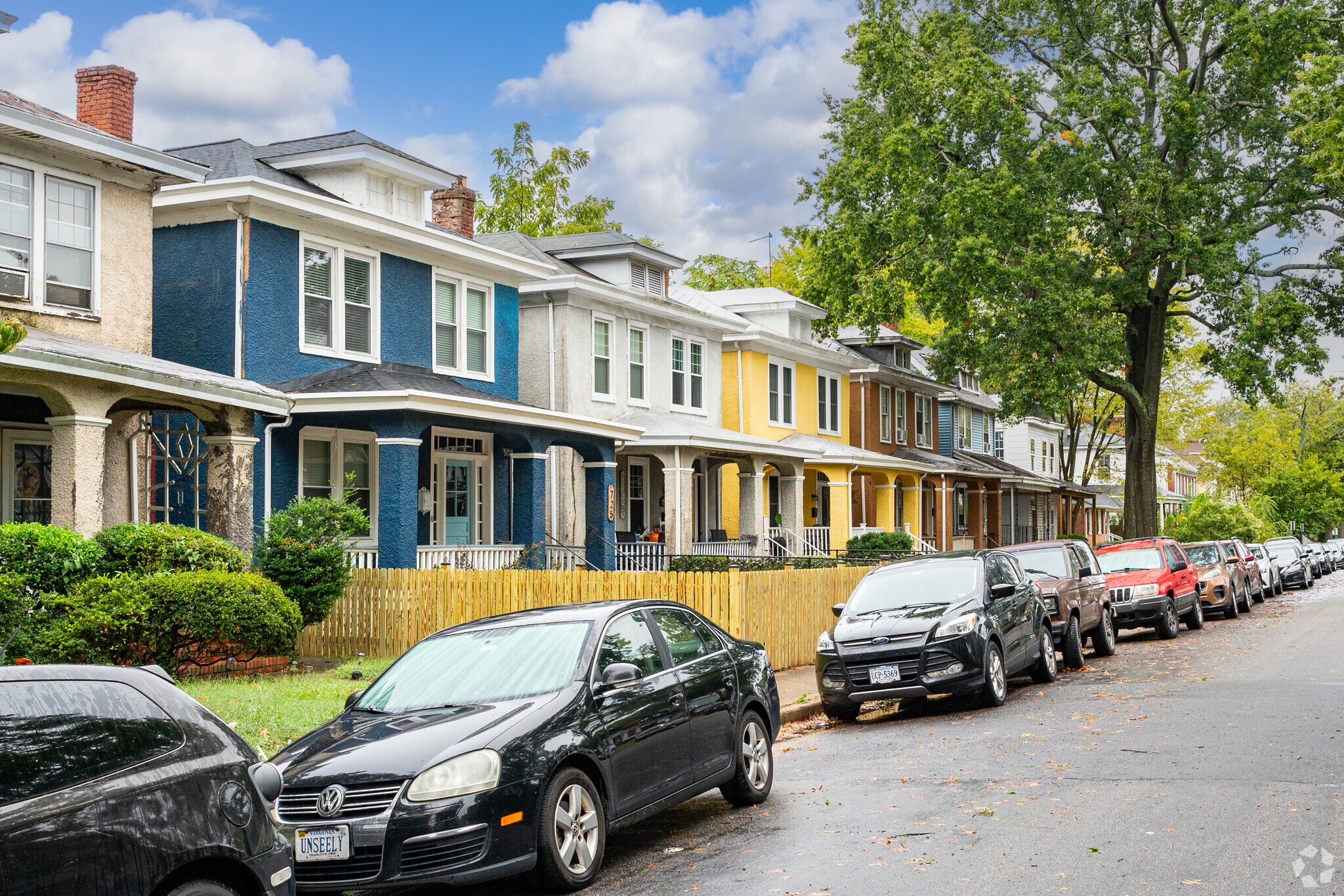
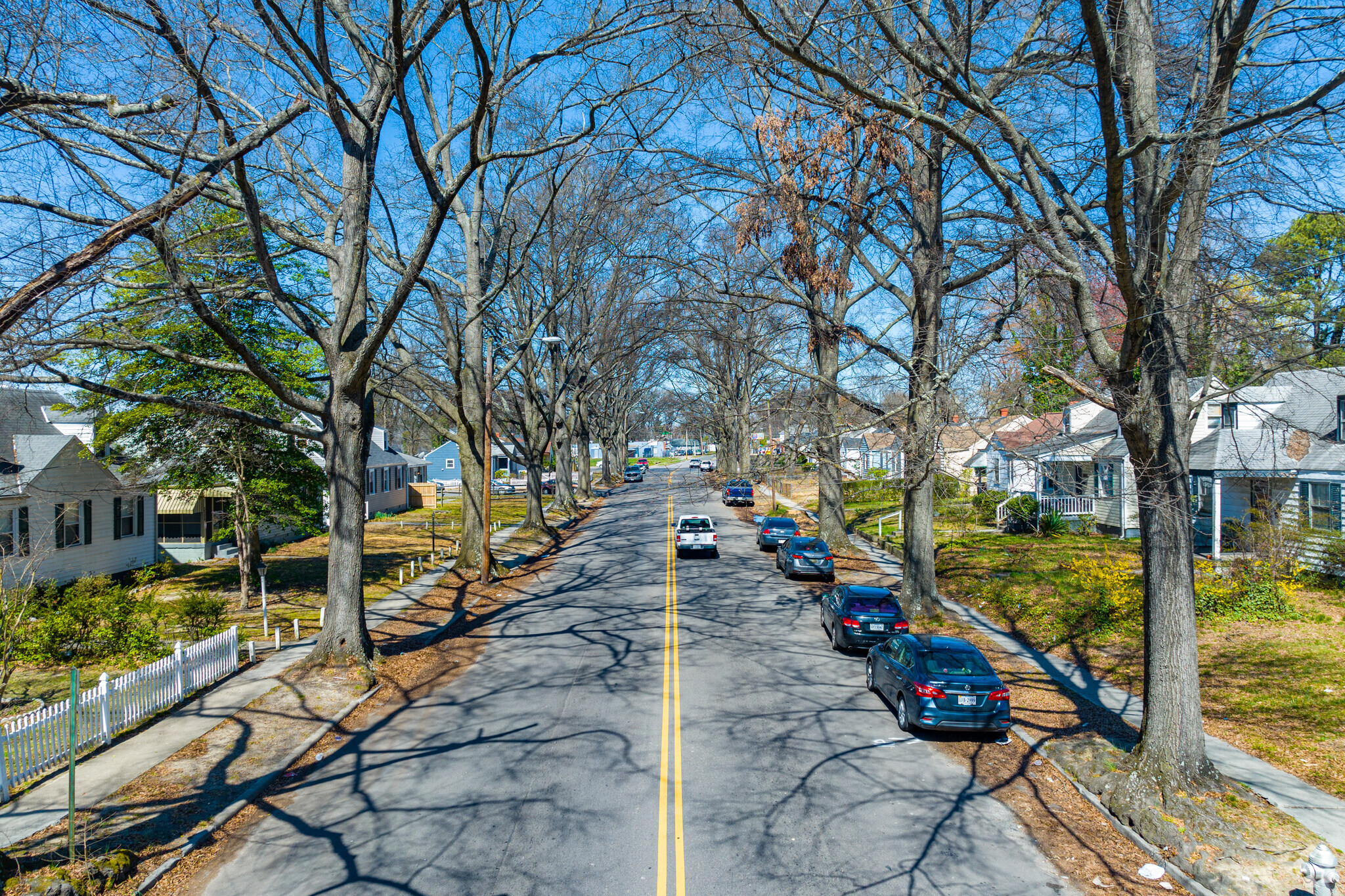
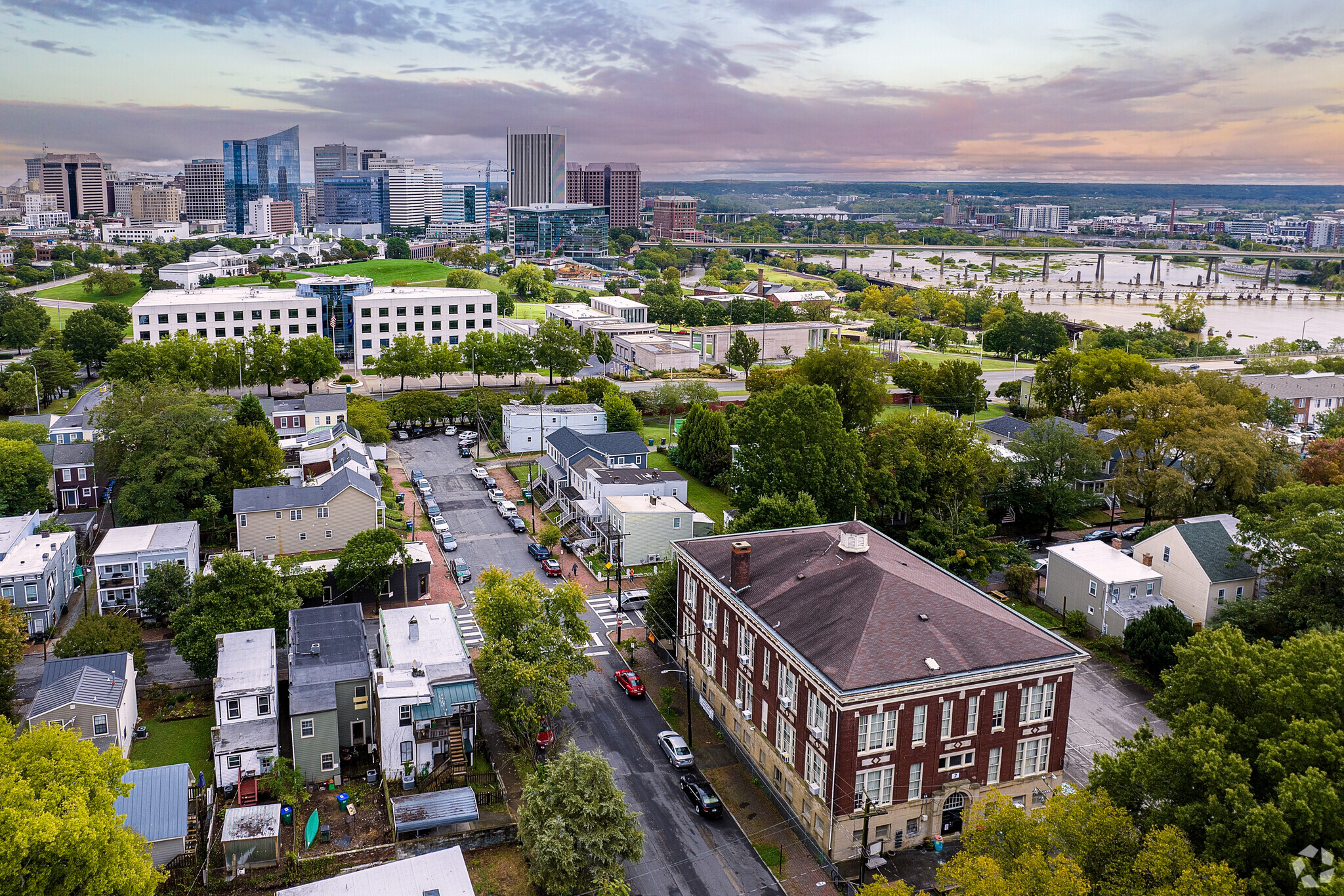
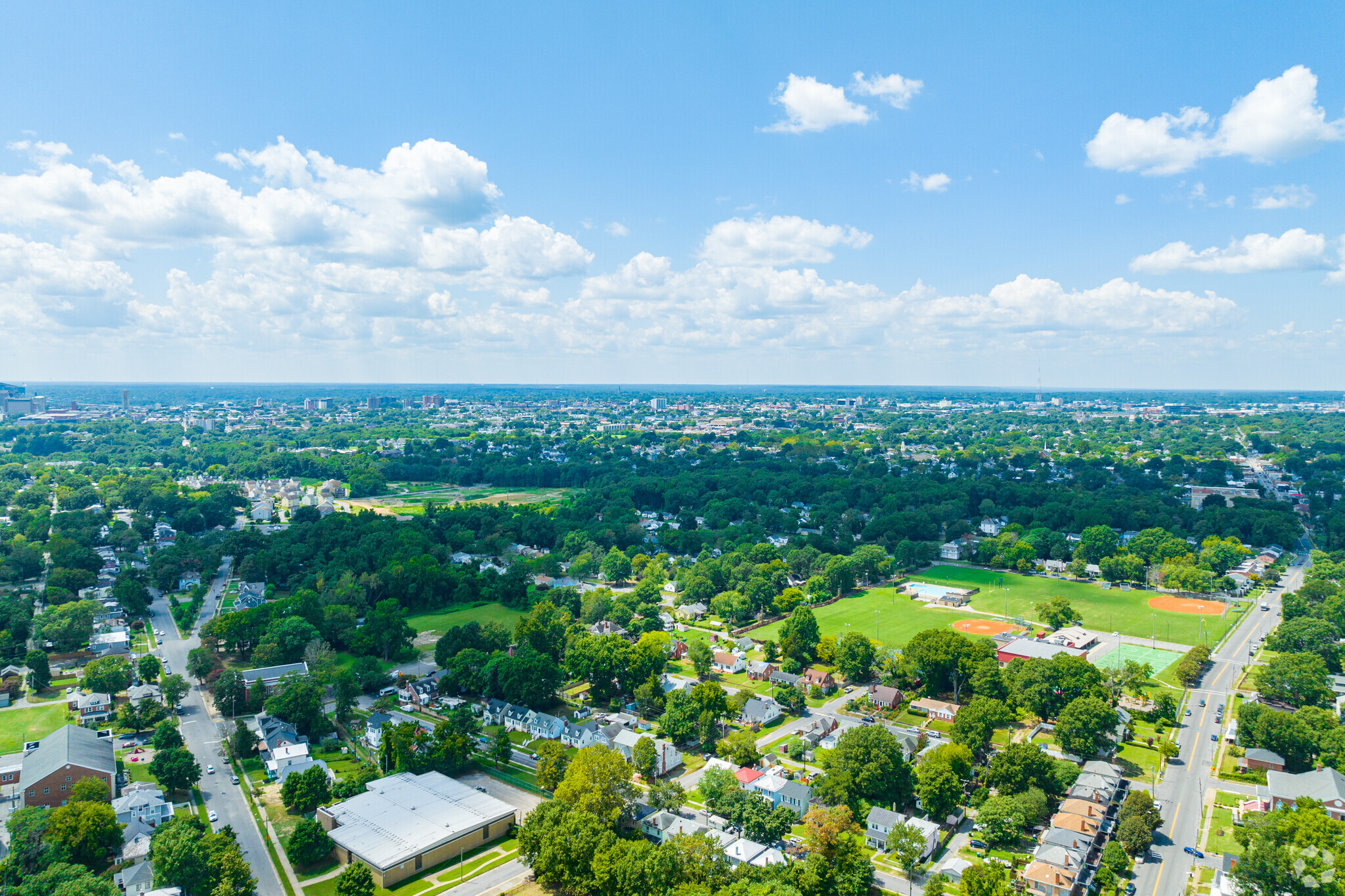
Highland Park, located in Richmond, Virginia, is a neighborhood rich in history and architectural significance. Established in the late 19th century as one of Richmond’s early streetcar suburbs, it attracted a diverse community, including Italian, German, and Polish immigrants. The area is renowned for its well-preserved Queen Anne-style homes and other architectural styles such as American Foursquare, Colonial Revival, and Tudor Revival.
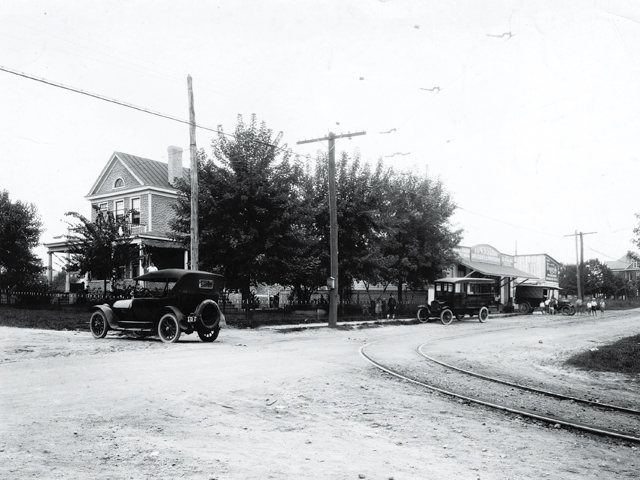
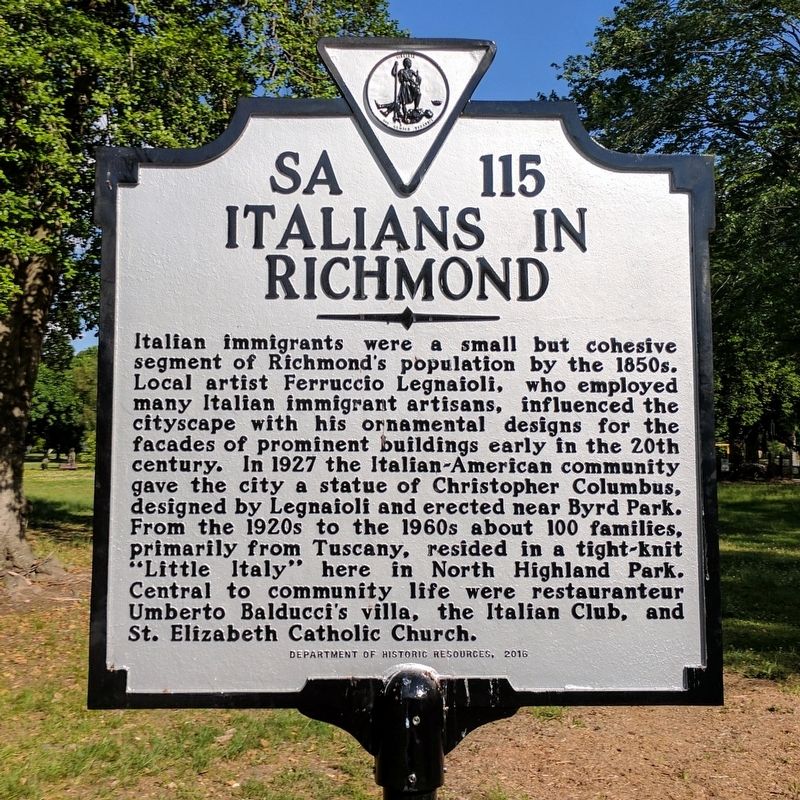
In 1914, Richmond annexed Highland Park, incorporating it into the city’s boundaries. Over the decades, the neighborhood experienced demographic shifts, particularly in the mid-20th century, as many white residents moved to newer suburbs, leading to an increase in African American residents. This transition is evident in the establishment of institutions such as the “Italians in Richmond” history marker at Ann Hardy Plaza, which commemorates the area’s immigrant heritage.
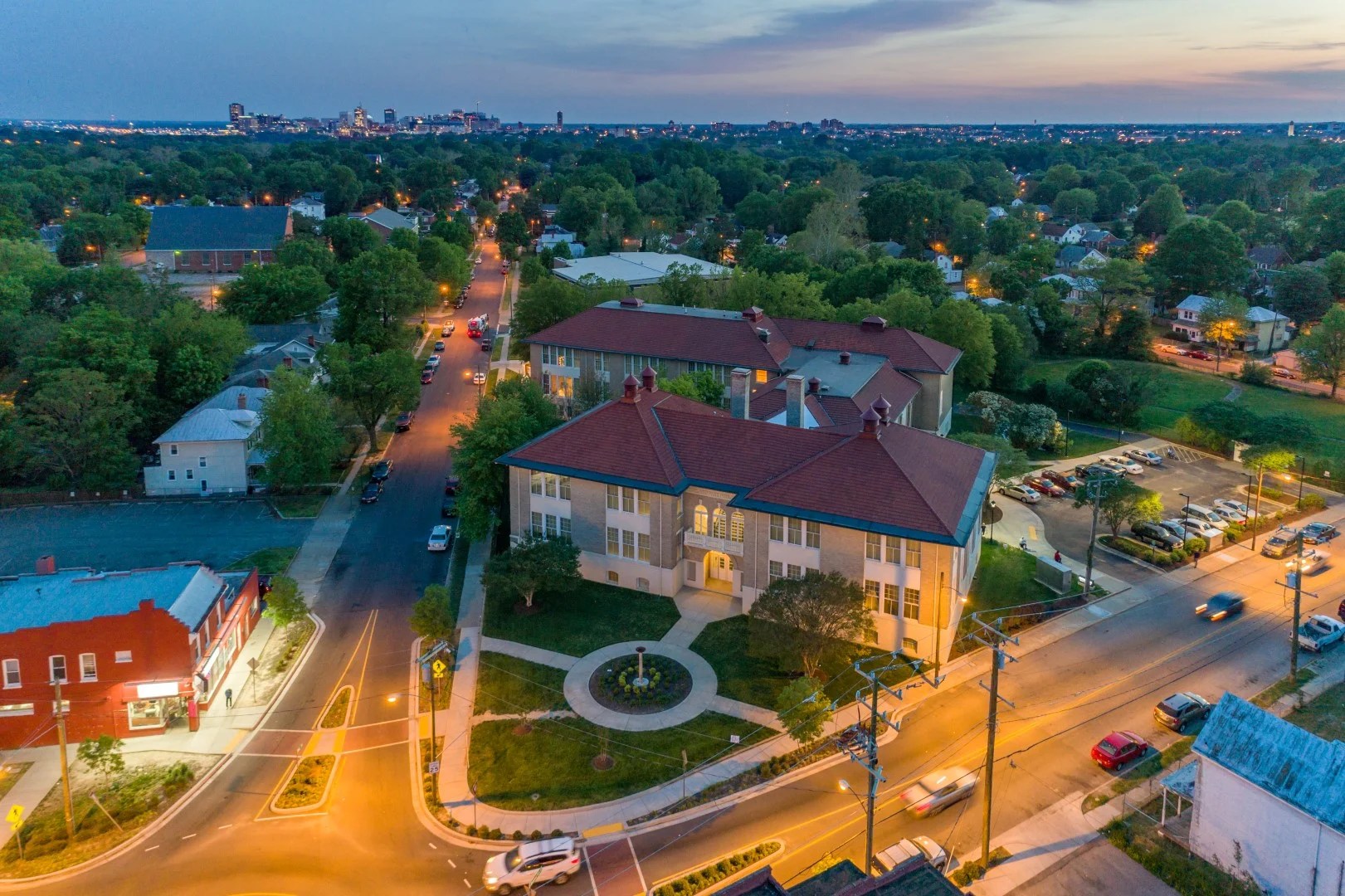
Today, Highland Park is recognized for its historic significance and community resilience. The Highland Park Plaza Historic District, encompassing a large portion of the neighborhood, was added to the National Register of Historic Places in 2004. The district showcases late 19th and early 20th-century architecture and reflects the area’s development as a streetcar suburb. Highland Park stands as a testament to Richmond’s evolving history, showcasing a blend of cultural influences and architectural styles that reflect its diverse past. Residents and visitors alike continue to celebrate Highland Park’s rich cultural heritage and its contributions to Richmond’s history.




 Highland Park Quality of Life Civic Association